
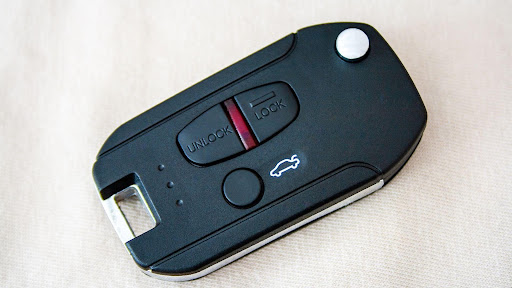
Two key fobs sit side by side on a workbench. Same shape. Same logo. Same number of buttons. One unlocks the car from across the parking lot. The other does nothing at all. The difference usually isn't the case or the brand. It's the automotive key frequency, a radio setting built into the fob that has to match what the vehicle is listening for. Get it wrong, and a fob that looks perfect turns into an expensive paperweight.
Understanding Automotive Key Types and Compatibility
Not every key talks to a car the same way. A plain transponder key passes a coded chip signal at the ignition and nothing more. A remote head key adds buttons. A smart key skips the ignition slot altogether. Frequency matters most for the ones with buttons or hands-free features, because those send a radio signal the vehicle has to hear. Sort out the key type first, and key compatibility becomes far easier to judge.
- Transponder keys: Chip only. The blade starts the engine, and no remote signal is involved.
- Remote head keys: Blade and buttons in one piece. The buttons depend on frequency.
- Flip keys: Same idea, with the blade folding into the fob. Same frequency rules apply.
- Smart keys: Push-button start and hands-free entry. Frequency and chip both have to match.
How Vehicle Information Affects Key Selection
Two cars leave the same factory a year apart. Same model name, same trim, nearly the same key. Yet the fob in the later one may broadcast on a different channel. Makers change parts between model years, and the market a vehicle was built for plays a part too. A US-market sedan and its overseas twin can ask for different fobs.
That's why "fits a 2015 model" isn't enough. Many vehicles sold new in the US use a 315 MHz car key, but that's a habit, not a rule. Treat make, model, year and trim as one set, never as separate details. If you have the VIN, it settles most doubts.
Understanding FCC ID, OE Numbers, and Part Numbers
Frequency is stamped on every fob in code form. The FCC ID links a fob to a specific radio setup. The OE number and part number point to the exact key your vehicle was built to use. Read together, they work like a fingerprint.
- FCC ID: Printed on the back or inside the case. It carries the key fob frequency with it, so two fobs with the same ID share the same radio setup.
- OE number: The original equipment number from the vehicle maker. Matching it means matching the original key.
- Part number: The seller's or manufacturer's code. Handy for comparing listings side by side.
- Mismatch rule: If the FCC ID on your old key and the one in the listing differ, stop and ask before you buy.
Key Frequency and Transponder Information
Here's the part that trips people up. A key has two radio jobs. The buttons send a signal to the vehicle's receiver. The transponder chip answers a quiet question from the ignition so the engine will start. They're separate. A key can carry the right chip and the wrong remote frequency, which means the engine starts while every button stays dead.
Here is how the radio parts compare:
Key Part | What It Does | What Has to Match |
Remote buttons | Lock, unlock, trunk, panic | The frequency, usually 315 or 433 MHz |
Transponder chip | Lets the engine start | The chip type the vehicle expects |
Smart key | Hands-free entry and push-button start | Both, plus the exact key model |
Short version: frequency decides the buttons, and the chip decides the start.
Product Specifications and Selection Guidelines
By the time you're reading a product listing, the hard part is done. Now read it like a checklist. A good listing gives you the key details in the first few lines. A weak one makes you hunt for them, and that alone tells you something.
- Frequency stated: Look for a clear MHz number.
- FCC ID listed: Compare it with the one on your current key.
- Button count: A three-button fob won't replace a four-button one.
- Chip type: Confirm the transponder chip fits the vehicle.
- Vehicle fitment: Check the make, model and full year range.
- Original key in hand: Hold it next to the product photos if you can.
Common Mistakes to Avoid
Most wrong orders come from rushing. The car name looks right, the price looks fair, and the order goes through. A few days later the fob arrives and the buttons do nothing. Programming gets blamed. But programming pairs a key with the vehicle, and it can't change the channel a fob broadcasts on. A 433 MHz car key ordered for a vehicle that expects 315 MHz will never respond, whatever you try.
- Trusting a look-alike: Same shell doesn't mean same radio setup.
- Buying by brand alone: One brand can use more than one frequency.
- Ignoring the year: Mid-cycle changes happen quietly.
- Skipping the FCC ID: It takes half a minute and saves a return.
- Expecting programming to fix it: It won't fix a frequency mismatch.
Conclusion
Frequency is a small number with a big say. It decides whether a fob talks to the vehicle or sits there in silence, and it's one of the easiest details to check before you order. Read the FCC ID, confirm the MHz number, and compare the rest of the key's details with your original.
Transponder Island stocks keys and remotes for a wide range of makes, with the details you need laid out before you buy. If a number doesn't add up, the team can help you confirm the right key first.
FAQs
How do I find the frequency of my car key fob?
Check the fob’s casing or battery compartment for a frequency marking. If it isn’t listed, look up its FCC ID or ask an auto locksmith to check it with a frequency tester.
What is the difference between a 315 MHz and a 433 MHz car key?
Your cars receiver communicates with various radio frequencies. A 315 MHz remote won’t work with a receiver designed for 433 MHz, so your replacement must use the correct frequency.
Can a 315 MHz car key fob work with a 433 MHz vehicle?
No. A 315 MHz fob won’t communicate with a 433 MHz receiver. Standard key programming won’t fix this mismatch, so you need a compatible replacement with the correct frequency.
Why does my car key start the engine but not unlock the doors?
The transponder that starts the engine works separately from the remote unlocking system. A dead fob battery, damaged button, wrong remote frequency or programming issue can prevent remote unlocking while the car still starts.
Does the wrong key fob frequency prevent remote programming?
Yes. The wrong frequency can stop the remote from pairing with your car. This mismatch will not be fixed by standard programming , so make sure the replacement fob is operating on the frequency your vehicle needs .