
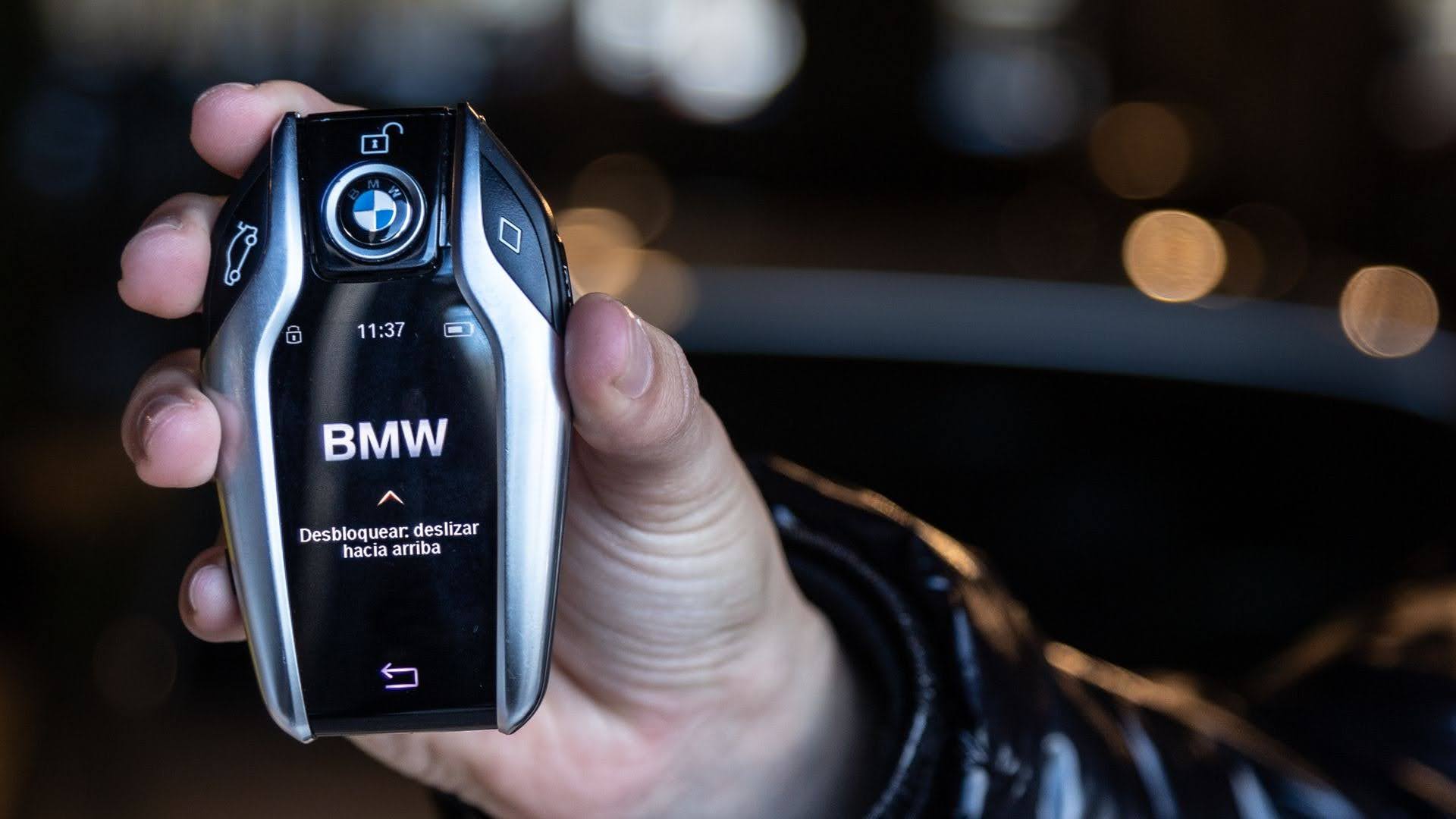
The photo looks right. The price looks great. And that's exactly the moment most wrong orders happen. People who buy automotive key online and get it right the first time all do the same thing: they treat the listing like an inspection, not a catalog.
Understanding Automotive Key Types and Compatibility
In a shop, you'd pick the key up and turn it over. Online, the listing has to do that for you. Before you check anything else, make sure you can tell exactly what type of key you're looking at from the listing alone. A good one makes it obvious. A weak one leaves you guessing.
- Front and back photos: Both sides, not one glossy angle.
- Key type named: Chip-only, remote head, flip or push-button.
- Button count: Shown in the photo and stated in the text.
- Blade style: Visible and described.
- Real product images: Not one stock photo shared by ten different listings.
How Vehicle Information Affects Key Selection
Lock in your vehicle details before you start browsing, not after. Write down the make, model and year, check the build date on the driver's door label if you can, and keep the VIN handy. Many sellers let you narrow results by vehicle, and that's useful. Just treat it as a starting point. Car key compatibility is something you confirm, not something you assume from a filter.
Then take a photo of your original key, front and back. When a listing opens, hold your phone next to the screen and compare. Outline, buttons, blade, logo. It isn't elegant, but it catches mismatches in about a minute.
Understanding FCC ID, OE Numbers, and Part Numbers
Codes turn a guess into a match. Pull the FCC ID and any part number off your original key, then look for the same details in the listing. If the listing leaves them out, that's your first warning sign.
Here is where to find each detail and what to compare:
Detail | On Your Key | In the Listing |
FCC ID | Back of the fob or inside the case | Specs or description |
OE number | Maker's original code, sometimes in the manual | Listed as a compatible number |
Key part number | Printed on the key or a label | Title or product details |
Key Frequency and Transponder Information
A key that fits the door can still fail to start the engine, so check the chip next. A solid listing names the transponder key chip type, or says the chip is included, and states the radio frequency if the key has buttons. If neither shows up, ask the supplier before you order, not after. A short message now can save a week of waiting on a return.
We cover the radio side in [why automotive key frequency matters], so it's worth a skim if a listing shows an MHz number you don't recognize. And check whether the key needs a tool to pair with the vehicle, since that changes how quickly it works once it arrives.
Product Specifications and Selection Guidelines
Now look at who's selling. The best listing in the world is only as good as the automotive key supplier behind it. A reliable seller shows its homework: stock status, shipping times, and a clear way to reach a real person.
- Stock status: In stock, or backordered. Know which before you pay.
- Return terms: Easy to find, and clear about what happens if the key doesn't fit.
- Support: A phone, text or chat option that actually answers.
- Shipping times: Stated up front, not buried in fine print.
- Seller track record: A seller that supplies locksmiths and dealers every day tends to know fitment well.
Common Mistakes to Avoid
The most common slip is ordering on price. The cheaper key looks identical, ships fast, and arrives without the right chip. Then comes the return, the wait, and the second order that costs more than the first one would have.
- Ordering on price alone: A low price doesn't help if the key doesn't fit.
- Trusting one photo: Ask for more angles or check the details.
- Skipping return terms: Read them before you click buy.
- Not asking when unsure: One message beats one return.
- Ignoring pairing needs: A key that fits but can't be paired is still a problem.
Conclusion
Buying a key online gets easier once you know what to look at. Confirm the type, lock in the vehicle, match the codes, check the chip, and read the seller's terms before you pay.
Transponder Island lists keys and remotes for a wide range of makes, and its team is happy to confirm fitment by text before you order. If a detail is missing from a listing, send a message first.
FAQs
How Can I Check if an Online Car Key Seller Is Legitimate?
Check out independent customer reviews, look at the seller’s contact information, and read its return and warranty policies. Search for obvious key compatibility and programming info and pay with a method that offers buyer protection.
Do Replacement Car Keys Bought Online Come Pre-Programmed?
Most transponder keys and smart fobs bought online still need to be programmed for your car. Check what the seller includes before ordering, as programming and any blade cutting are usually separate services.
How Can I Tell if an Online Car Key Includes a Transponder Chip?
Read the product description for “transponder chip included” and a chip type. The listing will typically say “shell only” if there is no electronics inside. If the listing is vague, just ask the seller what is included.
Can I Return a Car Key Bought Online if It Does Not Fit My Vehicle?
Returns are based on seller’s policy and condition of the key. Before cutting or programming the key, contact the seller with your order information, as modified keys typically have return restrictions.
Are Aftermarket Car Keys Bought Online Reliable?
A good aftermarket key will work consistently if it fits your car and is cut and programd correctly.Order from a reputable seller with a clear warranty and ensure your locksmith can work with the key.