
Pockets patted, bag emptied, car locked and silent. Losing a key has a way of turning a normal day sideways. The good news is that lost automotive key solutions are more straightforward than most people expect, and a few calm minutes at the start make the biggest difference to how quickly and cheaply it all ends.
A replacement isn't a copy of something you're holding. It's built from facts about your car, which is why a lost key takes a little more detective work than a spare. Here's what you can still find without the key, and the options that open up once you do.
Understanding Automotive Key Types and Compatibility
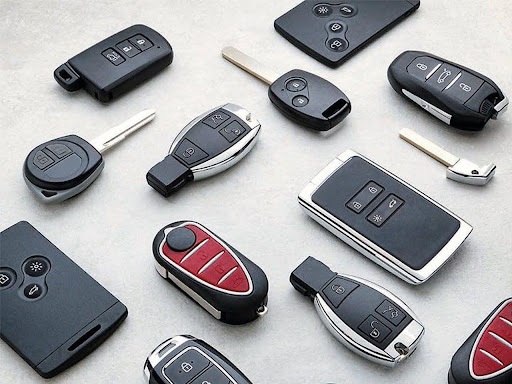
What happens after a key goes missing depends on the kind of key your car uses. Simple keys are easy to replace. Newer ones carry a chip and a radio that must be matched to the car, so the new key has to be the same type the vehicle was built to accept.
Here's how each type behaves when it disappears:
Key type | What a lost key means | What the replacement needs |
Transponder key | The chip is gone with it, so the car has to be taught a new one | The right chip type, a cut blade and programming to the car |
Remote head key | The blade and the buttons are lost together | The same as above, plus pairing so the buttons work |
Smart key | The push-button start has no fob to recognise | A matching fob programmed to the car, often with a small backup blade |
How Vehicle Information Affects Key Selection
Without a key in hand, your car's paperwork becomes the key's identity. The details a locksmith or parts desk asks for are what narrow the choice, and most of this lost car key information already sits in your records. Anyone cutting or programming a new key will also want proof that the car is yours, so have that ready too.
Pull together:
- Make, model, year and trim
- Your VIN
- Registration or title showing your name
- A photo ID that matches
- Any spare key or fob, even one with a flat battery
- Dealer receipts, key tags or paperwork from when you bought the car
Understanding FCC ID, OE Numbers, and Part Numbers
Normally you'd read the FCC ID off the back of your key. With the key gone, you work backwards. A parts lookup using your VIN returns the OE number, which is the number the carmaker gave your original key, and the FCC ID and part number follow from it.
This is vehicle key identification turned inside out. You start from the car instead of the key, and the codes come to you. If a spare turns up later, or an old photo of the lost key exists, read its codes and compare. Two sources that agree beat one every time.
Key Frequency and Transponder Information
Frequency and chip details usually get read off the key, so a lost key can make them feel like a mystery. They aren't one. Both are set by your car's make, model and year, which means a good lookup can supply them even if the key never turns up. What matters is that the replacement matches both, because the car checks the chip before it starts and the buttons need the right radio signal.
Once those two details are confirmed, your transponder key options usually look like this:
- A key from the carmaker, built to the original specification and often the priciest route
- An aftermarket key made by another maker to work like the original, usually easier on the budget
- A refurbished original, which can cost less but only works if it suits your car
Product Specifications and Selection Guidelines
Choosing between options comes down to speed, cost and how closely you want the key to match the original. If your car starts with a push button, smart key solutions also depend on a fob that can be programmed to your car, so confirm that before ordering.
Questions to settle before you buy:
- Does the key match my car's type, chip and frequency?
- Is programming included, or will a locksmith or dealer handle it?
- Does it cover every original button, including remote start if I had it?
- How soon can it arrive, and who can program it?
- Does the seller say clearly which key it replaces?
If you're already paying for programming, ask whether a second key can be added during the same visit.
Common Mistakes to Avoid
The first is panic buying. A key that was only misplaced can turn up in a coat or under a seat, and a fob that stopped responding can look lost when its battery is simply flat. Check pockets, bags and the battery before you order anything.
Another is assuming a cut blade is enough. Most modern keys also need programming before the car will start, so a bargain key with no plan for programming can end up sitting in a drawer.
Last, don't skip proof of ownership. Locksmiths and dealers usually ask for it, and showing up without your registration or ID can add a day to the job.
Conclusion
Lost automotive key solutions come down to a calm order of steps: look again, gather your car's details and ownership papers, confirm the chip and frequency, then pick the key option that fits your budget and timeline. Transponder Island stocks transponder keys, smart keys and remote head keys for a wide range of makes and models, with filters for vehicle, FCC ID, part number and chip, so a replacement can be matched to the car before it ships.
FAQs
What should I do first after losing my car key?
Check your pockets, your bags, your car and retrace your steps.Try a spare key if you have one before you call an auto locksmith or roadside assistance.
Can I identify a replacement car key without having the original?
Yes. A dealer or auto locksmith can help identify the right key using your VIN, make, model, year and trim. Have your photo ID and proof of ownership ready when arranging a replacement.
Do lost transponder keys and smart keys need programming?
Yes. When replacing transponder keys or smart keys, they usually need to be programmed for your car to accept them and allow the engine to start. You can consult either a dealer or an auto locksmith for assistance.
What is the difference between OEM and aftermarket automotive key options?
OEM keys are produced by the car manufacturer or their original supplier. Aftermarket keys are made by third party manufacturers . Often cheaper . Quality varies . Both need to match your vehicle’s specifications and may require programming.
Can an aftermarket key work with my vehicle?
Yes. An aftermarket key will work if it is the same type of key, chip and frequency your vehicle needs. Buy it and check compatibility before. Get it cut and programmed if necessary.