
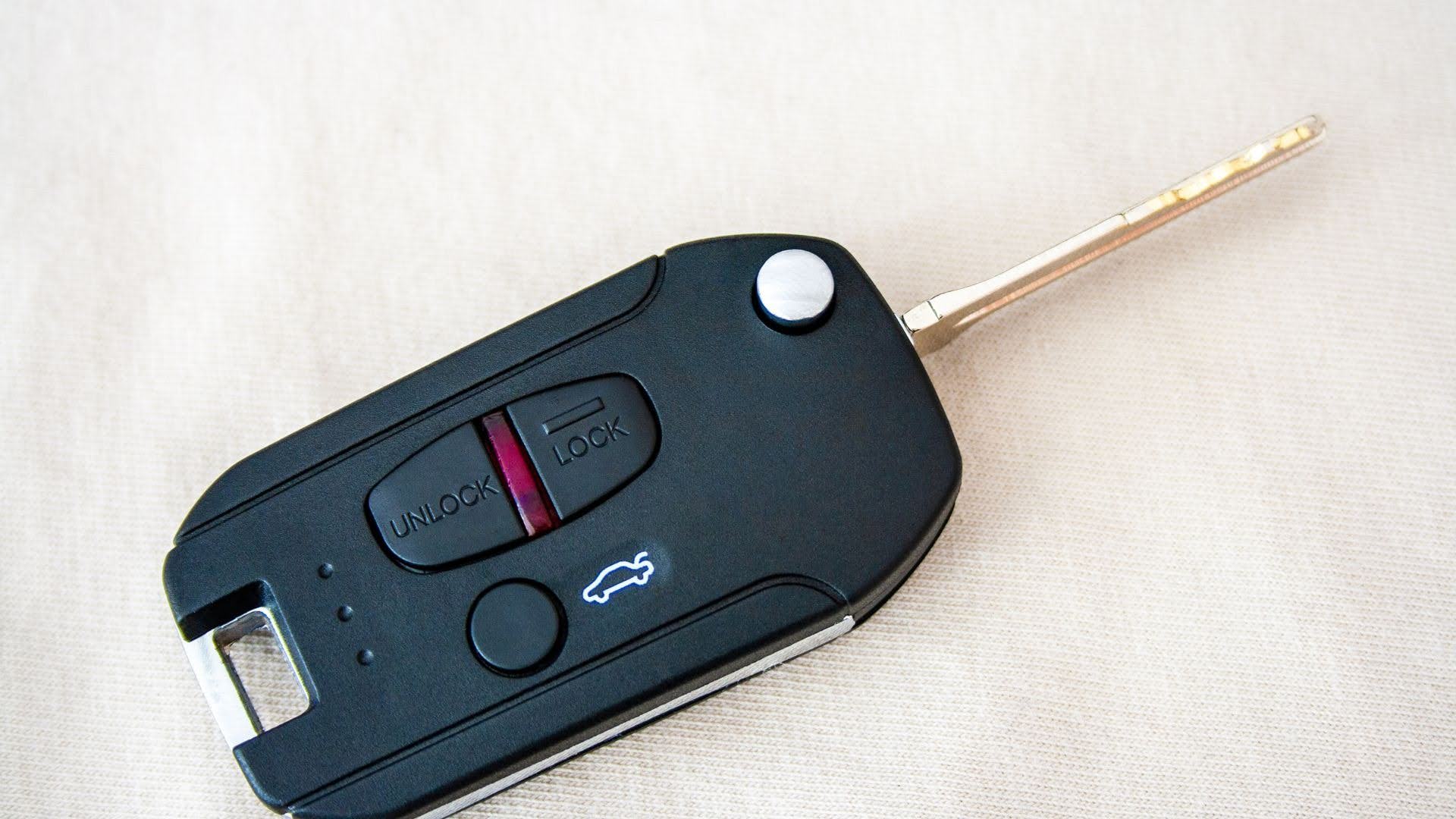
The fob still works. But the buttons are worn smooth, the logo has faded to a ghost, a crack runs across the back, and the battery door only stays shut with a strip of tape. Replacing the whole key would be overkill. A new automotive key shell gives the fob a fresh body while the electronics inside keep doing their job. It's a smart fix, though picking the wrong shell is surprisingly easy.
Understanding Automotive Key Types and Compatibility
A shell is only the outer case. The electronics, the chip and the radio signal live inside it, and the shell simply holds them together. Designs differ a lot from one key to the next, so a key fob shell for a folding key looks nothing like one for a push-button fob. Knowing what a shell actually includes makes it much easier to judge whether a replacement will fit.
- Body halves: The two plastic pieces that clamp around the board.
- Button pad: The rubber or plastic buttons, which must match your layout.
- Blade or blade slot: Where the metal key sits, or where an emergency blade slides in.
- Battery door and mounting points: The small clips and posts that hold everything in place.
How Vehicle Information Affects Key Selection
Shells follow the key, and the key follows the vehicle. The same make can use several different shells across model years, so a car key case that fits a 2014 model may not close around the board of a 2018. Logos change, button counts change, and outlines shift by a few millimeters. Start with the vehicle, then match the shell to the key you hold.
Be honest about the condition of the electronics too. A shell won't repair a dead board. If the fob stopped working around the same time the case cracked, the case may not be the real problem. Test the key first, and put the original next to any shell you're considering. Compare the outline, the button positions and the spot where the blade enters.
Understanding FCC ID, OE Numbers, and Part Numbers
Here's a detail that surprises people. The FCC ID printed on the back of a fob often sits on the shell, but the identity that really matters lives on the circuit board inside. A new shell has no meaningful code of its own. It borrows everything from the board you move into it. Photograph the original codes before you take anything apart.
Here is what stays and what changes during a shell swap:
Part | Stays or Changes | Why It Matters |
Circuit board | Moves into the new shell | Holds the key's real radio identity |
Transponder chip | Usually moves too | A damaged chip means a new key, not just a new shell |
Battery | Usually reused | Replace it while the case is open |
Buttons and pad | Come with the new shell | Must match your button layout |
Printed FCC ID or logo | Different on the new shell | Normal, so keep a photo of the original |
Key Frequency and Transponder Information
Frequency and the engine-start chip stay with the electronics, not the shell. That's the best part of a swap. The radio signal and the chip you already paired don't change. The catch is moving them without damage. Look closely at how the chip sits in your automotive key housing. In some keys, are tiny glass capsule pressed into the head or blade. In others, it's part of the board.
- Handle with care: Glass chips can crack if they're pried at.
- Blade cutting: A new blade needs to be cut to match the original.
- Pairing: If the original chip and board move across untouched, the vehicle normally keeps recognizing the key.
- Radio signal: A shell can't change it. Our guide on [why automotive key frequency matters] explains why that number is fixed.
Product Specifications and Selection Guidelines
Shell shopping is a fit-checking job. The case has to hold your board and your blade, and that's about measurements more than codes. Key shell compatibility comes down to physical details, so photos and dimensions matter more than anything else in the listing.
- Outline and size: Compare it to your original.
- Button count and layout: They should match exactly.
- Blade profile: Check whether it comes uncut or pre-cut, and which style it uses.
- Battery type and compartment: The same battery has to fit.
- Board mounting points: Posts and clips should line up with your board.
- Photos from several angles: One flattering picture isn't enough.
Common Mistakes to Avoid
The classic mistake is buying a shell that looks identical in the listing photo. Outlines can be almost the same while the blade slot sits a millimeter off, or the board posts land in the wrong place. The case then refuses to close, or closes under strain and cracks along the seam. A quick side-by-side check before ordering usually prevents that.
Another one is expecting a shell to make the key new. It doesn't. It's the same key in a fresh coat, with the same chip, the same signal and the same pairing. And waiting too long causes trouble. Swap the shell before the case splits open, while the board and battery contacts are still safe.
Conclusion
A shell swap is a good fix when the electronics still work and only the body has given up. Check the outline, buttons, blade and battery, and move the board across carefully.
Transponder Island stocks keys, remotes and shells for a wide range of makes, with the details laid out so you can compare before you buy. If a shell looks close but not exact, the team can help you confirm the fit first.
FAQs
Can I Replace Just the Plastic Case of My Car Key?
If your key still works you can swap out the broken case with a matching shell. The existing electronics and transponder chip are normally reusable and will not need to be reprogrammed, though a new blade will need to be cut.
How Do I Transfer the Electronics Into a New Key Fob Shell?
Follow the instructions for opening your key, then carefully transfer the circuit board, battery, and any separate transponder chip into a matching shell. Keep the battery facing the same way, close the case and check that the buttons work and the car starts.
Can a Damaged Car Key Shell Affect the Buttons or Battery Contact?
A broken or loose shell may cause buttons to be misaligned or the battery to lose contact . This could cause the fob to work intermittently . A matching replacement shell may fix this if the internal switches, contacts and electronics are undamaged.
Are Universal Car Key Shells Compatible With Every Vehicle?
Universal key shells don’t fit every vehicle. Check that the replacement matches your original key’s button layout, circuit board shape, battery holder and blade fitting so the internal parts sit securely and work properly.
When Should I Replace a Car Key Shell Instead of the Entire Key?
Replace just the shell when the case or button covers are damaged but the electronics and transponder chip still work. Moving those working parts into a matching shell usually avoids the need for reprogramming.